IN THE PIPE
It sets as it cools
Thames Water says water doesn't stay hot as it travels down the drain. When greasy water reaches cooler pipes, the fat hardens and sticks.
Check the sink doodlefat
00KITCHEN SCIENCE, UNDER THE STREET
Fat that pours easily in the pan sets hard in the pipes.
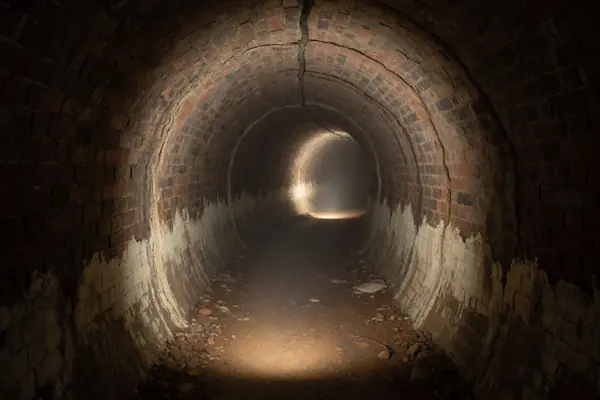
Fats, oils and grease cool and cling to pipes on the way down. In the sewer they mix with wet wipes and react into a hard, soap-like mass. Water companies call the result a fatberg, and some weigh more than a hundred tonnes.
Check the sink01Principles
02THE SHORT ANSWER
Hot water and washing-up liquid don't fix it.
Fat still clings once the water cools.
IN THE PIPE
Thames Water says water doesn't stay hot as it travels down the drain. When greasy water reaches cooler pipes, the fat hardens and sticks.
Check the sinkIN THE SEWER
Fatbergs are not just cooled fat. The fats undergo saponification, a soap-making reaction that needs calcium, fatty acids, grease and water.
See the numbersAT HOME
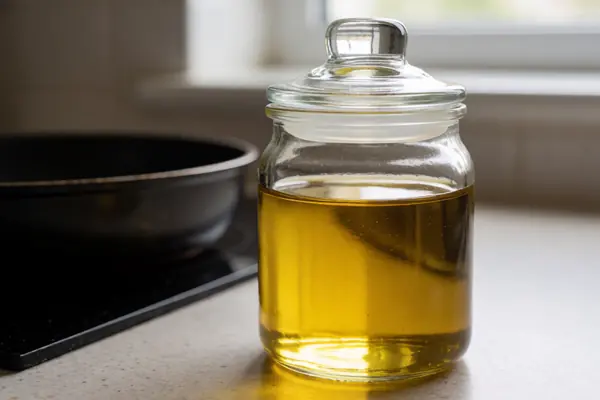
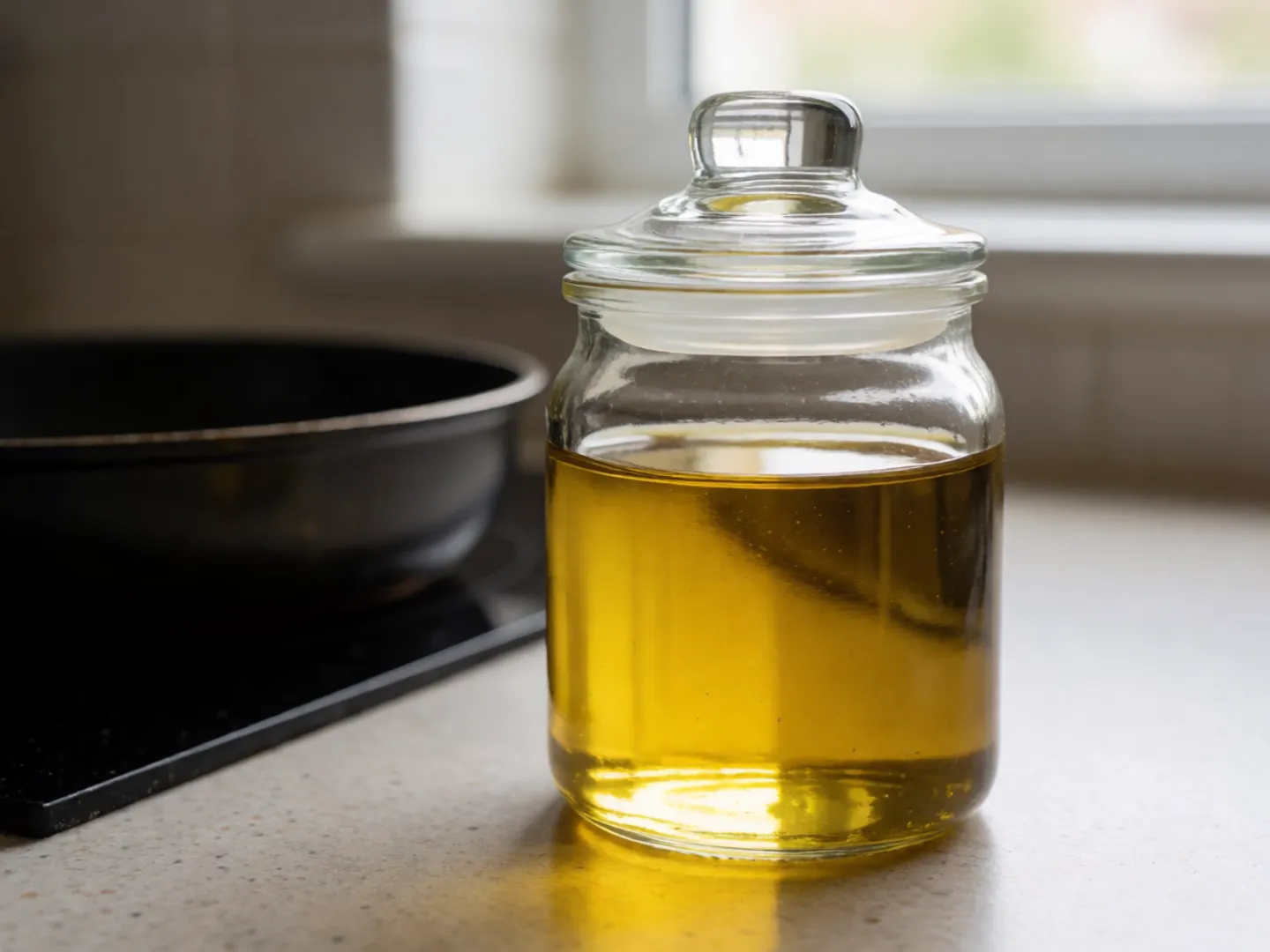
Water companies say to let fat cool, scrape solid fat into the bin or food waste, and pour liquid oil into a sealed jar or bottle for the bin.
What to do03A QUICK SINK CHECK
Pick something you might do after cooking. The bar shows how much it adds to the risk of a blockage, according to water company guidance.
Based on Thames Water and Wessex Water guidance on fats, oils and grease. General information about drains.
04TWO NUMBERS WORTH KNOWING
One number for a single fatberg,
one for a year of blockages.
120 tonnes
Weight of one fatberg in a trunk sewer
Stretching over a kilometre through a sewer 20 metres underground, it took two weeks to clear. Thames Water compared it to the size of a blue whale.
OXFORD, 2025 · THAMES WATER
75,000
Sewer blockages cleared by one company
Thames Water says it clears about 75,000 blockages a year at a cost of £18 million. Between January and early August 2025, 11,104 were fat, oil and grease blockages.
EVERY YEAR · THAMES WATER
In the same period Thames Water cleared 23,556 wet wipe blockages. Wipes and fat together are what bind a fatberg.
05FOUR HABITS FROM THE GUIDANCE
None of these needs special kit. They are what UK water companies suggest for household kitchens.
Leave fat from roasting or frying to cool and set. Once solid, scrape it into the bin or your food waste caddy.
Pour used liquid oil into a sealable container, like an old jar or bottle, then put it in with your household waste.
Use kitchen roll to soak up grease from pans and plates before they go in the sink, and bin the paper.
A strainer in the plughole catches food scraps that could build up with fat into a blockage. Check whether your council recycles cooking oil.
06A FATBERG IN A MUSEUM
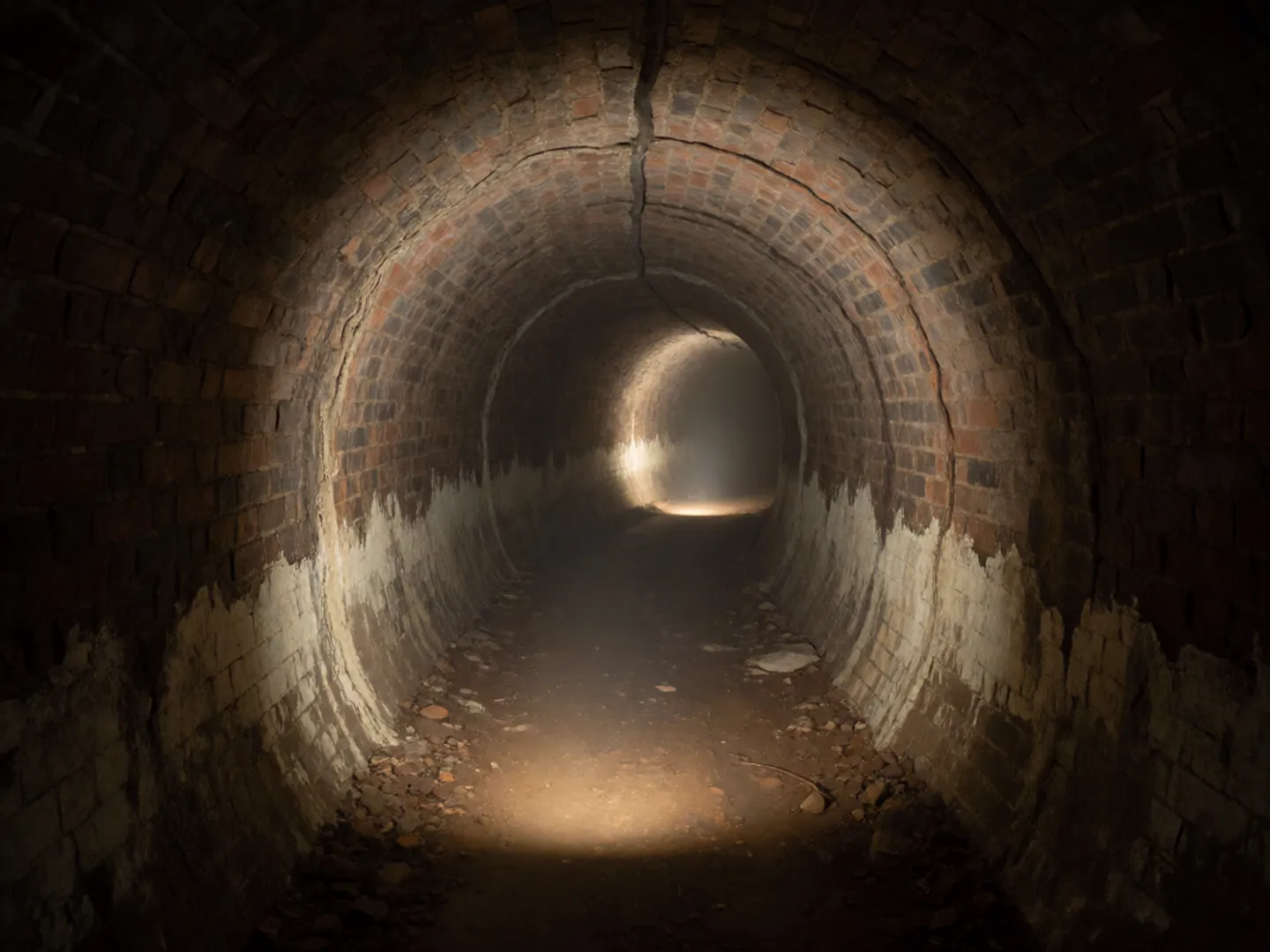
In September 2017 a fatberg about 250 metres long and weighing over 130 tonnes was found under Whitechapel in London.
Two pieces were cut off, dried for several weeks and shown at the Museum of London in 2018. Some of the rest was turned into biodiesel.
07Questions
A hard mass in a sewer made of congealed fat, oil and grease bound together with wet wipes and other items that don't break down when flushed.
No. Thames Water says the water doesn't stay hot down the drain, and when it reaches cooler pipes the grease hardens and sticks.
Thames Water says no: even at room temperature, oils don't dissolve. They float on water and cling to pipes, building up like solid fat.
The fat undergoes saponification, turning into a solid, soap-like substance. It needs calcium, free fatty acids, fats, oils and grease, and water.
Water companies say to let it cool and scrape it into the bin or food waste, or pour liquid oil into a sealed container for the bin. Some councils collect cooking oil.
08Sources
ABOUT THIS NAME
doodlefat.com is part of the DoodleSale portfolio. It isn't in an auction right now, but you can ask about leasing it.